
All services

Fire Safety

Fire Detection & Safety

Detect early. Suppress fast. Stay compliant.

Fire systems are life-safety infrastructure. The right solution depends on code alignment, risk zones, evacuation behaviour, documentation and periodic testing discipline.

Fire Detection & Safety

What's included

  • Addressable & conventional fire alarms
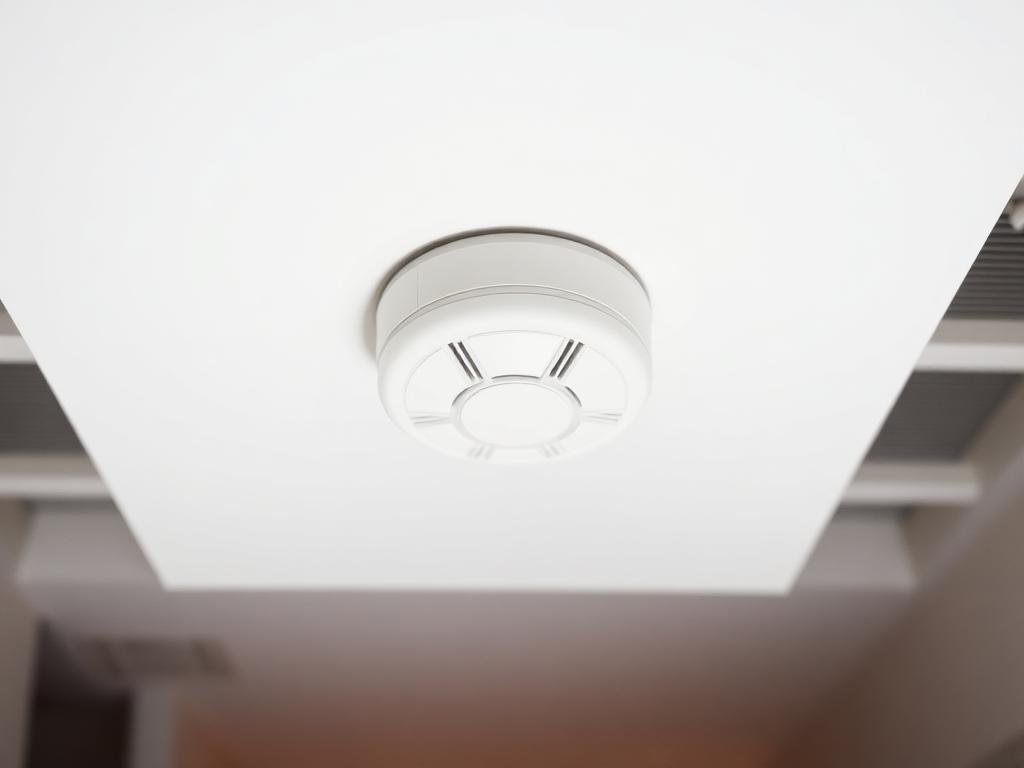
  • Smoke, heat & multi-criteria detectors
  • FM-200 / Novec / CO2 suppression
  • Hydrant, sprinkler & pump systems
  • AMC, refilling & compliance audits

Ideal for

  • High-rises
  • Warehouses
  • Server rooms
  • Hospitals & hotels

Brand partners

HoneywellNotifierSiemensRavelAgni

Buying clarity

Questions worth answering before a quotation.

Is the site residential, commercial, healthcare, industrial or mixed-use?

Which areas need detection, suppression, hydrant, sprinkler or pump systems?

What inspection or compliance documentation is required?

Who will be responsible for periodic drills and system testing?

Site survey

What we check before design starts.

A good survey keeps the final BOQ grounded in your actual site instead of a generic product list.

  • Occupancy type, floor plans and risk zones
  • Panel location, cable route and detector spacing
  • Pump room, hydrant, sprinkler and suppression needs
  • Emergency power, hooters and evacuation routes

Delivery method

How the work moves from brief to handover.

Step 1

Site survey

We map existing infrastructure, user flow, risk points, cable paths and future expansion needs before recommending hardware.

Step 2

Design and BOQ

You receive a practical design, itemised BOQ and clear scope boundaries so purchase and execution decisions are easier.

Step 3

Installation and testing

Our team installs, labels, tests and tunes the system on site, then resolves snags before handover.

Step 4

Training and support

We train your team on daily use, escalation and basic checks, then support the system through AMC or call-based service.

Technical depth

Where our fire safety work becomes visibly different.

These are the practical engineering layers that make the final installation serviceable, secure and easier to operate.

Detection design and device mapping

Fire detection must match occupancy, risk zones, ceiling conditions and evacuation behaviour. We plan device placement as life-safety infrastructure, not a generic low-voltage layout.

  • Addressable/conventional panel selection by site scale
  • Smoke, heat, MCP, hooter and sounder placement planning
  • Loop/device schedule and zone documentation
  • Cable route, panel location and emergency power review

Suppression, hydrant and sprinkler coordination

Risk areas need different protection strategies. Server rooms, kitchens, warehouses, basements and hotels cannot be treated with one template.

  • Clean-agent suppression planning for server/electrical rooms
  • Hydrant, sprinkler, pump and water-storage requirement review
  • Cylinder pressure, refilling and maintenance planning
  • Coordination with civil, electrical and compliance requirements

Testing, evacuation and integration

A fire system is only useful if it is tested, labelled and understood. We document commissioning and review how fire alarms interact with doors, lifts and automation.

  • Testing and commissioning reports
  • Evacuation sounder/hooter audibility checks
  • Fire override for doors, lifts, barriers and automation where required
  • Periodic AMC and compliance-documentation support

Case-study direction

Proof points clients can relate to.

Server-room detection and suppression

Detection, clean-agent suppression, emergency power and documentation planned for a critical IT room.

Earlier warning, cleaner suppression strategy and stronger maintenance discipline.

Warehouse fire alarm and evacuation readiness

Risk zones, detector spacing, hooter coverage and panel programming aligned with operational layout.

Better alarm visibility and clearer response for site teams.

Hospitality fire-system AMC and documentation

Periodic device testing, battery checks, cylinder review and documentation refresh for audit readiness.

Reduced compliance anxiety and fewer unknowns during inspection.

View case studies

Handover

What you receive after commissioning.

  • Device loop schedule
  • Panel programming record
  • Testing and commissioning report
  • Maintenance and inspection checklist

AMC support

How we keep the system healthy.

  • Detector, MCP, hooter and panel testing
  • Battery and power supply checks
  • Suppression cylinder and pressure checks
  • Inspection support and documentation refresh

Avoidable mistakes

Where projects usually go wrong.

  • Treating fire alarms like a low-voltage accessory
  • Skipping commissioning and device labelling
  • Not planning periodic testing after handover